In the 1967 Mike Nichol’s film, “The Graduate”, family friend Mr. McGuire takes recent college graduate Benjamin Braddock (played by Dustin Hoffman) aside, and gives him some advice for his future. “I just want to say one word to you, just one word. Are you listening? Plastics. There’s a great future in plastics – will you think about it?”
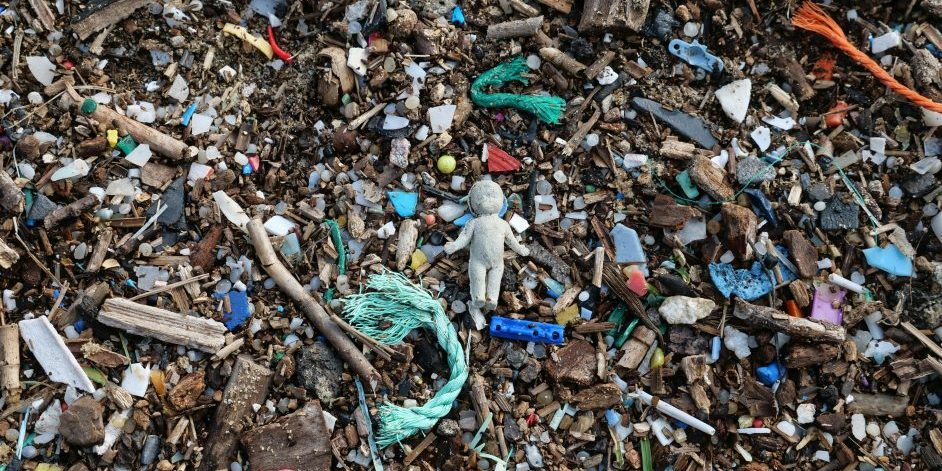
Well, the future is now and plastic is everywhere – in the air we breathe, the clothes we wear, the food we eat, the water we drink, and products we buy. You can’t go into a West Side grocery store without seeing an army of prepared foods, raw vegetables, juices, cut up fruit and more, all encased in single use plastic. Our local dry cleaner entombs our cleaned clothes in plastic. The barista hands you your iced latte in a clear plastic cup. It’s no wonder that scientific research shows we probably ingest the weight of a plastic credit card every week without realizing it.
Experts tell us that nano-plastics – plastic particles less than 100 nanometers in size – can be internalized and have infiltrated almost every tissue in the human body. Small microplastics (no greater than 5mm in length – the size of a single grain of rice) and nano-plastics can move from the gut to the blood, and over 20 plastic polymer types have been found in human blood samples. Cutting edge research* reveals that microplastics can impact cardiovascular health, especially high blood pressure, diabetes and stroke. Exposure to microplastics can cause tissue damage, reproductive problems and impaired development; the link between microplastics and cancer is being studied, as is additive leaching from biodegradable plastics, such as PHA, PHB, PBAT and PLA.**
Anna Cummins, co-founder of the 5 Gyres Institute which investigates plastic pollution, embarked on 19 research expeditions in order to study the problem. The increase in plastic production has created a crisis of plastic in our oceans and in the marine animals we eat, as they can get tangled up in this trash or ingest it. Anna has found land-based sources of microplastics in personal care products ( micro-beads), plastic food storage containers, kitchen utensils, cutting boards, medical equipment, appliances – the list goes on and on. We are exposed to microplastics from textiles, carpets, tire dust, and construction materials (paints, roofing materials, insulation, siding).
Every time we wear or launder our clothes, microfibers shed into the air and into the water. Microfibres, in addition to plastic, include the fibre from which the article was made. Synthetic microfibers, in nylon, spandex, fleece, acrylic and polyester materials, contain chemical additives making them particularly villainous, but cotton, wool and hemp shed microfibers too (although they are biodegradable). A single wash cycle can release 18 million microfibers into wastewater; some are removed during processing but the rest make it into our waterways. Americans generate 16 million tons of textile waste a year!
Did you know that wear and tear on car tires is a source of microplastics? When we drive our cars, how fast we go and how often we accelerate and decelerate ultimately makes an impact on how fast our tires erode. Research shows that tire wear and tear contributes up to 10% of the plastics that end up in our oceans and enter our food chain (Goodyear is not good eating!)
Knowing all this, we can feel confident drinking from a glass bottle, right? Uh, not quite. A recent study from the Food Packaging Forum, a Swiss non-profit, reveals that many glass bottles have metal caps decorated with polyester paint, which shed microplastics into the containers; the tested glass bottles with metal caps had 5 to 50X more microplastics than plastic bottles or cans. EPR, or Extended Producer Responsibility is a policy approach holding companies legally and financially responsible for mitigating the impact of their products. This policy has been adopted in Canada and the EU, and various states have plastic pollution laws. Federally, the Break Free from Plastic Pollution Act was introduced in 2023 (S.B.3127 and H.R. 6053) but has yet to pass (see 12a below).
While it is not feasible to completely avoid ingesting or inhaling microplastics when they are present in the environment, the best way to minimize exposure is to curtail the amount of plastic produced and used. We can make our community healthier.
Recommendations – for your health and your wallet: ***
- Never microwave plastic – only glass or ceramic.
- Eat more whole foods – nanoplastics accumulate in processed food as they are exposed to conveyer belts and plastic machinery parts.
- Use a vacuum cleaner with a HEPA filter if possible.
- Wean yourself off single use plastics. Avoid plastic take out containers, utensils and cutlery – they contaminate food with microplastics. Bring your own glass or metal containers when you eat out, your own garment bag to the dry cleaner, your travel mug to the coffee shop (single use coffee cups are usually lined with LDPE – low density polyethylene, a fossil fuel product).
- Stop buying bottled water – carry a reusable metal or glass bottle without a plastic cap.
- Avoid plastic when cooking at home – that means plastic cutting boards, whisks, spoons, jugs, coated non-stick pans; use wooden, stainless steel, ceramic or glass alternatives.
- Avoid food packaged in plastic; just opening food in plastic film or chips in plastic bags generates microplastic pollution in your food (Try using Beeswax wraps www.beeswax.com – or wax paper).
- Avoid long term plastic container storage in your fridge and freezer – micro and nano- plastics can be released; just washing plastic in hot water sheds particles.
- Avoid synthetic fabrics like polyester, nylon , acrylic, fleece and spandex – they can shed microplastics while being worn, washed or dried; natural fibers are best. If you want to prevent microfibre pollution, filters which can be installed on washing machines and dryers can help stop microfiber pollution (one option: https://planetcare.org )
- Purchase Items secondhand – this will help you consume less plastic
- Buy in bulk; look for eco-friendly packaging
- Advocate – If you believe a company could be smarter about its packaging, write a letter, tag them on social media or give your money to a more sustainable competitor.
- Take Action – support the Break Free from Plastic Pollution bill by emailing your members of Congress: https://actionnetwork.org/letters/support-the-break-free-from-plastic-pollution-act?clear_id=true
It’s a bit overwhelming to ponder how ubiquitous plastic has become in our lives. But by adjusting buying and eating habits, and doing what we can to reduce plastics in our homes and community, we can help keep the plastic in our wallets, out of our bodies and off the streets.
For more information and how you can help, go to: https://www.5gyres.org https://www.foodandwaterwatch.org#microplasticfreeUS
References * Si Rahul Ponnana, Case Western Reserve School of Medicine, The American College of Cardiology Annual Scientific Session, March 2025 ** https://specialty-polymer.com/biodegradable-compared-pha-phb-pbat-pla-pbs-pcl-and-tps/) *** Natalie Balbuena, Mia DiFelice – Food & Water Watch, March 2025; Laura Lopez Gonzalez, UCSF Professor; NRDC.org
Write to me at nstone@wssmhoa.org